Improper Mowing
Mowing is an essential lawn care task, but it must be done correctly to avoid stressing your grass. In North Carolina, it's best to keep cool-season grasses at a height of 2.5 to 3.5 inches and warm-season grasses at 1.5 to 2 inches to ensure they have enough leaf surface to photosynthesize. Cutting your grass too short (scalping) or mowing when the lawn is wet can lead to a range of issues. Overuse of the mower or improper blade height can leave your lawn vulnerable to diseases and environmental stress.
Effects:
- Scalping: Cutting grass too short exposes the soil to direct sunlight, causing the grass to dry out quickly and struggle to recover. This weakens the lawn and encourages weed growth.
- Weakened Grass: Improper mowing practices remove too much of the grass blade, reducing the plant’s ability to photosynthesize and recover.
- Uneven Growth: Mowing during the heat of the day or when the lawn is wet can lead to uneven cuts, leaving behind patches of stressed or damaged grass.
Soil Compaction
Soil compaction is a common issue in North Carolina, particularly in clay-heavy soils found in areas like the Piedmont and mountain regions. Heavy foot traffic, mowing, or even the weight of lawnmowers and other equipment can compact the soil. This makes it harder for grass roots to grow deep, access nutrients, and absorb water, leading to lawn stress.
Effects:
- Shallow Roots: When soil is compacted, grass roots can’t grow deeply, making the grass more vulnerable to heat, drought, and disease.
- Poor Water Drainage: Compacted soil has poor drainage, leading to puddles and waterlogged areas that can suffocate the roots.
- Reduced Nutrient Absorption: Grass roots have a harder time absorbing nutrients from compacted soil, resulting in poor lawn health.
Insect and Pest Damage
Lawn pests like grubs, chinch bugs, and armyworms are notorious for causing stress to lawns, particularly in North Carolina’s temperate climate. Grubs feed on the roots of grass, while chinch bugs and armyworms feast on the blades. These pests can cause immediate visible damage and leave your lawn vulnerable to further stressors.
Effects:
- Uneven Growth: Insect damage often shows up as patches of dead or dying grass, particularly in areas where the pests have been most active.
- Weakening of Grass: As pests feed on grass roots or leaves, the grass becomes weak, unable to absorb water and nutrients, and may eventually die.
- Attracting Other Pests: Damaged grass can attract secondary pests, including ants or rodents, further exacerbating the problem.
Heavy Rain and Flooding
Heavy rainstorms, particularly during the spring and fall, are common in North Carolina. While rain is generally beneficial for lawns, excessive rainfall or flooding can be detrimental. Poorly-draining soils (common in clay-heavy regions) can lead to waterlogging, which stresses grass by suffocating the roots.
Effects:
- Root Rot: Excess moisture prevents oxygen from reaching grass roots, which can lead to root rot and fungal diseases.
- Soil Erosion: In areas where the grass is sparse or the soil is loose, heavy rainfall can erode the topsoil, further damaging the lawn.
- Fungal Diseases: Persistent wet conditions create an ideal environment for lawn diseases such as rust, powdery mildew, and brown patch.
Heat and Drought
North Carolina’s climate is characterized by hot, humid summers, and this can cause significant lawn stress, especially during periods of drought. The summer heat, combined with insufficient rainfall, puts pressure on the grass by drying it out and reducing its ability to thrive. During these conditions, cool-season grasses like fescue and bluegrass are particularly susceptible, as they require cooler temperatures to grow. Even warm-season grasses like Bermuda and Zoysia can show signs of stress when the summer heat becomes too intense or when there’s insufficient water.
Effects:
- Dormancy: Grass, especially cool-season varieties, may go dormant to conserve energy and moisture. While it may look brown, this is a natural survival mechanism.
- Dryness and Browning: Grass blades begin to lose their color and may even dry up completely, resulting in bare patches.
- Weed Growth: As the grass weakens, it opens up space for weeds to take root and spread.
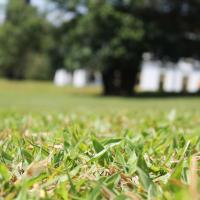
North Carolina's diverse climate—from humid summers to cool winters—can be both a blessing and a challenge for homeowners trying to maintain a healthy, green lawn. Homeowners often notice their lawns experiencing stress, which can affect the health and appearance of grass.

Whether you live in the Piedmont, Coastal Plain, or the Mountain region, revitalizing your lawn with the right approach is crucial for a lush, green yard. Here's how homeowners across the state can give their lawns the best start to the growing season.
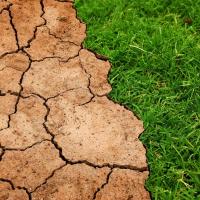
Clay soils, common across the state, are known for their compacted nature, which can make lawn care a bit tricky. However, one simple yet highly effective solution is lawn aeration. Let’s explore why aeration is especially beneficial for clay soils and how it can transform your lawn.