
How to Improve Clay Soil in Your Charlotte Lawn
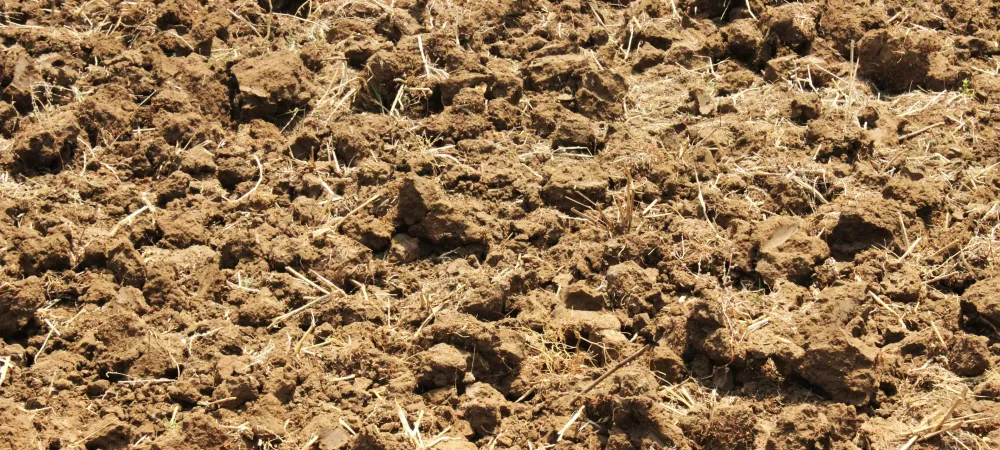
You water your lawn. You fertilize. You do everything right — and the grass still looks thin, patches up in summer, and puddles every time it rains. If that describes your yard, the soil itself is almost certainly the problem. Charlotte's red clay is the most common reason lawns here struggle, and it is fixable.
Key Takeaways
- The Piedmont region's red clay soil is nutrient-rich but compacts easily, blocking water, air, and fertilizer from reaching grass roots.
- Annual core aeration is the single most effective treatment for compacted Charlotte lawns, especially when paired with overseeding or soil amendments.
- Choosing the right grass type and adjusting your watering habits make a significant difference in how well your turf survives Charlotte's clay-heavy conditions.
Clay soil is not inherently bad. In fact, Charlotte's red clay is packed with nutrients. The problem is texture — clay particles are fine and flat, and they pack together tightly under foot traffic, mowing, and rainfall. Once compacted, water runs off the surface rather than soaking in, fertilizer sits on top rather than absorbing, and roots grow shallow because they cannot push through the dense soil structure below.
Why Charlotte's Clay Soil Is Uniquely Challenging
Most of the Charlotte metro area sits on Piedmont red clay. This soil type dominates the region because of the underlying geology: ancient metamorphic rock that weathers into fine, iron-rich clay particles that give Charlotte's soil its characteristic reddish-orange color.
Red clay has a few specific traits that create lawn problems:
- High compaction rate: Clay compacts more easily than sandy or loamy soils. Foot traffic from kids, pets, and lawn equipment packs the soil to the point where even a screwdriver struggles to penetrate 2 inches deep.
- Poor drainage: Compacted clay holds water at the surface rather than allowing it to percolate through. This creates muddy zones after rain and wet spots that sit for days.
- Drought behavior: When red clay dries out after a wet period, it can harden almost like ceramic, cracking at the surface and becoming extremely difficult to re-wet.
- pH tendency: Piedmont clay often runs slightly acidic, in the 5.5–6.0 range. Most lawn grasses prefer a pH of 6.0–7.0. A mismatch in pH reduces the effectiveness of every fertilizer application you make, regardless of the product or timing.
Step 1: Get a Soil Test
Before doing anything else, get a soil test. Many Charlotte homeowners skip this step, but we have found it is the difference between targeted treatment and throwing money at the wrong problem.
A basic soil test tells you your pH and major nutrient levels. If your pH is below 6.0, common in Charlotte clay, lime applications will correct it. Lime takes time to work into clay, so fall applications are ideal, allowing the amendment to integrate through winter before spring green-up begins.
Step 2: Core Aeration
Core aeration is the most important thing you can do for a compacted Charlotte lawn. It physically removes plugs of soil — typically 2 to 3 inches deep — creating immediate channels for air, water, and nutrients to reach the root zone.
In our experience working with North Carolina lawns for 30 years, Charlotte properties with severe compaction often need double passes in multiple directions to adequately open up the soil profile. Standard aeration equipment, pulling one pass is not always enough for heavy red clay.
When to aerate in Charlotte:
- Tall Fescue: Aerate in September or early October. This aligns with the prime overseeding window and allows roots to expand before winter.
- Bermuda and Zoysia: Aerate in late spring to early summer once the grass is actively growing. Aerating dormant warm-season turf causes unnecessary stress.
After aeration, leave the soil plugs on the surface. They break down naturally within 10–14 days, returning nutrients to the lawn and contributing organic matter to the soil profile. Do not rake them up.
Our aeration and seeding program in Charlotte is designed around the specific timing and depth requirements for Piedmont clay, giving you the maximum soil opening without stressing your turf type.
Step 3: Overseed After Aeration (Fescue Lawns)
If you have a Fescue lawn, aeration and overseeding go hand in hand. The holes created during aeration are the ideal seedbed — seed drops directly into the soil channel rather than sitting on top of compacted ground, dramatically improving germination rates.
Charlotte's Fescue lawns thin out every summer due to heat stress. Fall overseeding is the annual reset that keeps density up. Overseeding without aeration is significantly less effective in clay soil because seed-to-soil contact is minimal on a compacted surface.
Step 4: Add Organic Matter
Organic matter is the long-term fix for clay soil. It does not produce overnight results, but consistent incorporation of compost or organic amendments gradually changes the soil structure — reducing compaction, improving drainage, and feeding the microbial life that makes nutrients available to grass roots.
After aerating, apply a thin layer (1/4 to 1/2 inch) of fine compost across the lawn and work it into the aeration holes with the back of a rake or a light watering. Over several years of consistent annual application, you will see measurable improvement in how the soil holds water, how quickly it dries after rain, and how deeply your grass roots grow.
You and I both know that patience is hard when your lawn looks rough right now — but soil improvement is cumulative. The lawns in Charlotte's older neighborhoods that look best are usually the ones that have had consistent organic matter management for years, not just a single heavy treatment.
Step 5: Choose the Right Grass for Clay Soil
Not all grass types handle Charlotte's clay equally well. Choosing a variety that tolerates or even thrives in dense soil reduces the ongoing battle significantly.
- Bermuda grass: Excellent clay tolerance. Spreads through runners that push through compacted soil better than most grass types. Best for full-sun, high-traffic Charlotte yards.
- Zoysia: Dense root structure handles clay well, especially once established. More shade-tolerant than Bermuda. Slower to fill in after damage, but highly durable long-term.
- Tall Fescue: Less drought-tolerant in clay than warm-season grasses, but the most common Charlotte grass type due to its shade adaptability and year-round green color. Requires annual overseeding to maintain density in clay conditions.
Step 6: Adjust Your Watering for Clay
Clay soil and standard watering schedules are a bad match. Clay holds water longer than other soil types, which means the common mistake of frequent, short watering cycles leads to soggy surface soil and shallow roots, not the deep root development that protects your lawn through summer drought.
Water deeply and infrequently. One inch of water per week, applied in one or two sessions in the early morning, is far more effective than daily light watering. Allow the soil to partially dry between watering events. This encourages roots to grow downward in search of moisture — building the drought resistance that Charlotte summers demand.
Check your irrigation system for zones that pond or run off rather than absorb. These are usually signs of compaction and are corrected most effectively with aeration rather than adjusted spray heads.
What to Expect Over Time
Clay soil improvement is not a one-season project. Here is a realistic timeline for what consistent management produces:
- After year 1: Better drainage from aeration, improved grass density from overseeding (Fescue), and correct soil pH from lime application if needed.
- After years 2–3: Noticeable improvement in soil texture from ongoing organic matter additions, deeper root systems, and better performance through summer drought.
- After years 4–5: Significantly reduced compaction rate even under normal use, thicker turf with stronger disease resistance, and a lawn that responds more consistently to fertilization and weed control.
The difference between Charlotte lawns that perform year after year and ones that struggle every summer often comes down to consistent soil management — not the product being applied on top of it.
Let Tailor Made Build Your Soil Management Plan
Tailor Made has been working in the clay-heavy soils of North Carolina for 30 years. Our lawn care programs are built around the specific needs of Charlotte's transitional climate and Piedmont soil conditions — including aeration and seeding, fertilization programs timed for your grass type, and weed control treatments that work within the constraints of clay soil chemistry.
If your Charlotte lawn has been struggling despite regular care, the soil is likely the reason. Contact us for a free lawn estimate and we will take a look at what your property actually needs.